
- Experts highlight Moneyfarm as a digital wealth manager that combines human oversight with automated portfolio adjustments, allowing for investments in a range of assets including shares and ETFs. They commend the platform’s user-friendliness and low fees, but note the relatively high minimum investment requirement and account fees as potential drawbacks.
- Across 248 user reviews on Good Money Guide, averaging 4.3/5, users frequently praise the platform’s ease of use, effective customer service, and the ability to manage diverse investments. However, there are significant concerns regarding poor handling of fund transfers and accountability, with many users expressing frustration over financial losses and inadequate responses from customer support.
Customer Reviews
5/5
Cons:
Increase return on investment
5/5
Pros:
Ease of use
4/5
4/5
Pros:
The advisory team
2/5
5/5
Pros:
Allocation Fees
Cons:
Lower Fees
4/5
Pros:
Great allround
2/5
3/5
Pros:
Good insight information
Cons:
Match invest engines charges
3/5
Pros:
Not sure ?
Cons:
Not sure
1/5
Pros:
None
Cons:
–
2/5
Pros:
Easy to use
Cons:
Cost competitiveness
4/5
Pros:
Blogs
Cons:
Better investing
3/5
5/5
Pros:
Competency
Cons:
Value
4/5
Pros:
Ease of use
Cons:
All good
3/5
4/5
3/5
4/5
Pros:
Easy to use IT
Cons:
–
Expert Review & Rating
Moneyfarm Digital Wealth Management Review

Provider: Moneyfarm
Verdict: Moneyfarm is a digital wealth manager that aims to make personal investing simple and accessible. It was launched initially in Italy in 2012 by Italian bankers Paolo Galvani and Giovanni Dapra and entered the UK in 2016 and has big-name financial backers such as Allianz Global Investors, Cabot Square Capital, United Ventures and Poste Italiane.
Is Moneyfarm any good for wealth management?
Yes, Moneyfarm is more of a digital wealth manager rather than a robo-advisor as the portfolios are put together by investment managers, rather than automatically. The automation, as it were, is fine-tuning your portfolio to match your risk/reward choices. Unlike with other robo-advisors, with Moneyfarm you can also top up your portfolio with individual shares and ETFs.
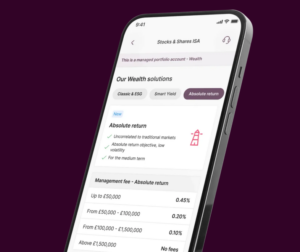
Fees: Moneyfarm charges 0.75% to 0.6% up to £100k then 0.45% to 0.35% over £100k. Moneyfarm investing account fees are scaled between 0.75% for accounts between £500 and £50,000, then above £100k are 0.45% to 0.35%. Average investment fund fees are 0.2% and the average market spread when buying and selling is 0.10%.
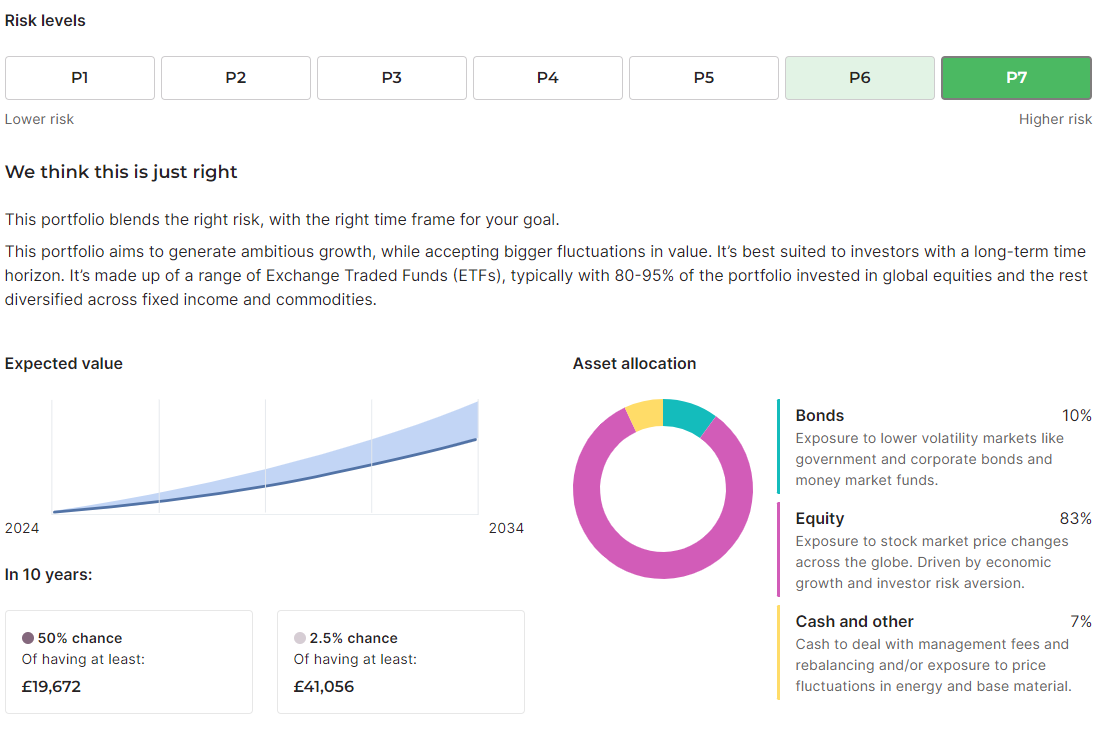
Market Access: You can invest in 7 pre-made portfolios, but also (unlike a lot of other digital wealth managers and robo-adviors) also buy individual shares, ETFs, bonds and mutual funds online. It’s a bit of a shame you can’t buy US stocks, But Moneyfarm is best really for setting up regular investments in a GIA, ISA or SIPP, then letting them grow over time without too much tinkering and speculating on Tech stocks.
App & Platform: It’s really easy to use, plus it puts you through your paces to make sure you understand what you are investing in. Apparently, my Moneyfarm investor profile is “pioneering”, which means I want to take on more risk for potentially better returns.
Customer Service: This is mostly online as you’d expect but solves all issues – I’ve had some good calls with Moneyfarm about how its products work over the years, and its people really know their stuff. If you want to find out more about the ethos, you can read my interview with the CEO Giovanni Daprà on how they are so much more than a robo-advisor.
Research & Analysis: Not much to speak of other than a few guides, but that’s ok, as I don’t really want Moneyfarm spamming me with stock trading ideas.
Pros
- Easy to use with low fees
- The ability to buy shares, bonds, ETFs & funds
- Diverse managed portfolios
Cons
- High £500 minimum investment
- 0.75%* account fee is relatively high
-
Pricing
(5)
-
Market Access
(5)
-
Online Platform
(5)
-
Customer Service
(5)
-
Research & Analysis
(5)
Overall
5Leave A Review
Tell us what you think of this provider.





Richard is the founder of the Good Money Guide (formerly Good Broker Guide), one of the original investment comparison sites established in 2015. With a career spanning two decades as a broker, he brings extensive expertise and knowledge to the financial landscape.
Having worked as a broker at Investors Intelligence and a multi-asset derivatives broker at MF Global (Man Financial), Richard has acquired substantial experience in the industry. His career began as a private client stockbroker at Walker Crips and Phillip Securities (now King and Shaxson), following internships on the NYMEX oil trading floor in New York and London IPE in 2001 and 2000.
Richard’s contributions and expertise have been recognized by respected publications such as The Sunday Times, BusinessInsider, Yahoo Finance, BusinessNews.org.uk, Master Investor, Wealth Briefing, iNews, and The FT, among many others.
Under Richard’s leadership, the Good Money Guide has evolved into a valuable destination for comprehensive information and expert guidance, specialising in trading, investment, and currency exchange. His commitment to delivering high-quality insights has solidified the Good Money Guide’s standing as a well-respected resource for both customers and industry colleagues.